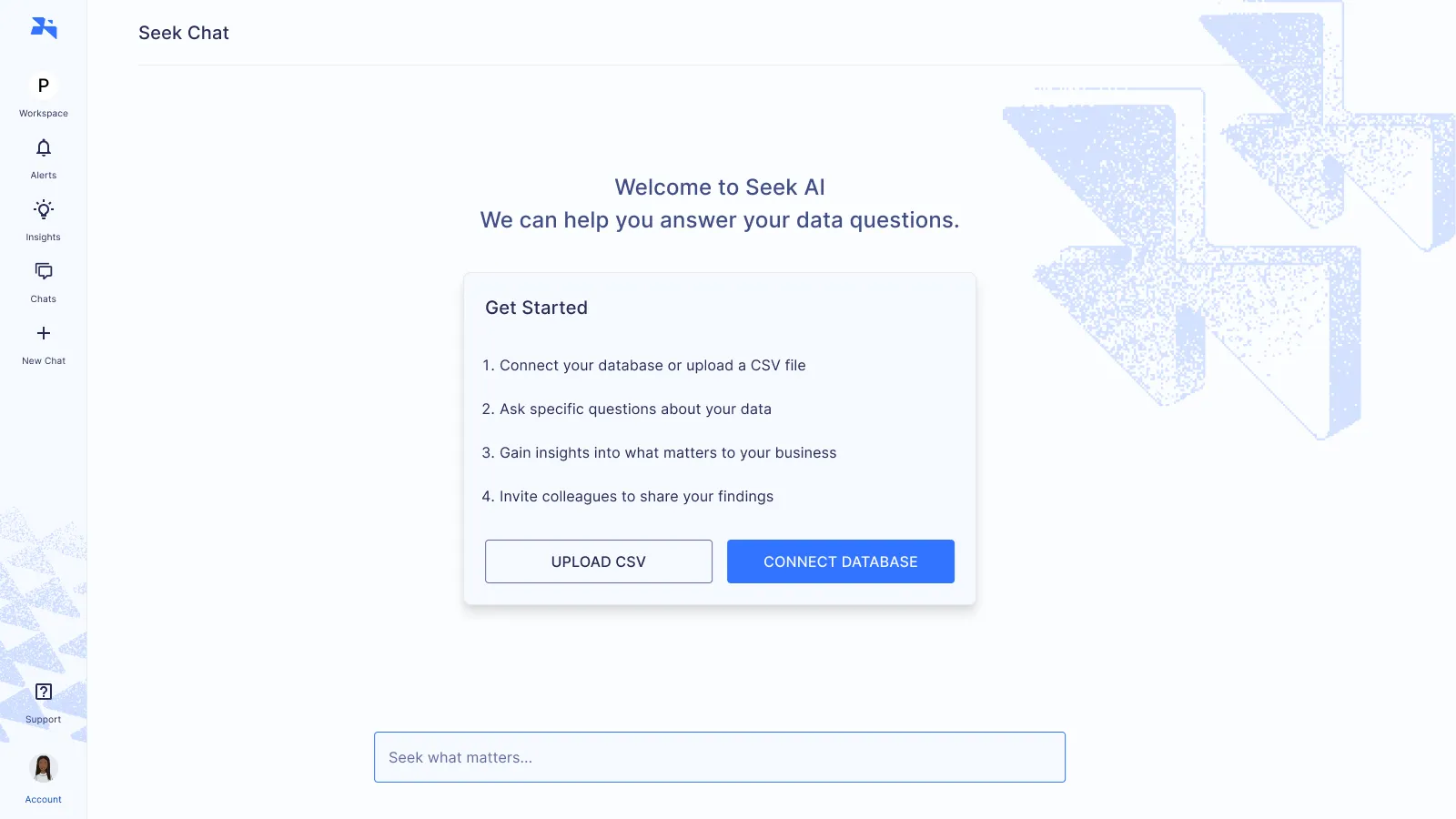
FIG. 01 — Redesigning Seek AI, product, 2023
Client
Seek AI
Year
2023
Scope
Product Design · UX/UI · AI
Recognition
Acquired by IBM 2025
From SQL tool to data teammate. How I turned Seek from a tool you operate into a product you ask.
Impact at a Glance
- +
4-month MVP: Took it from strategy to shipped product.
- +
Chat-first: Replaced SQL-first with conversation.
- +
Team-ready: Opened it up from one executive to entire data teams.
- +
Verifiable: Built trust into every AI answer.
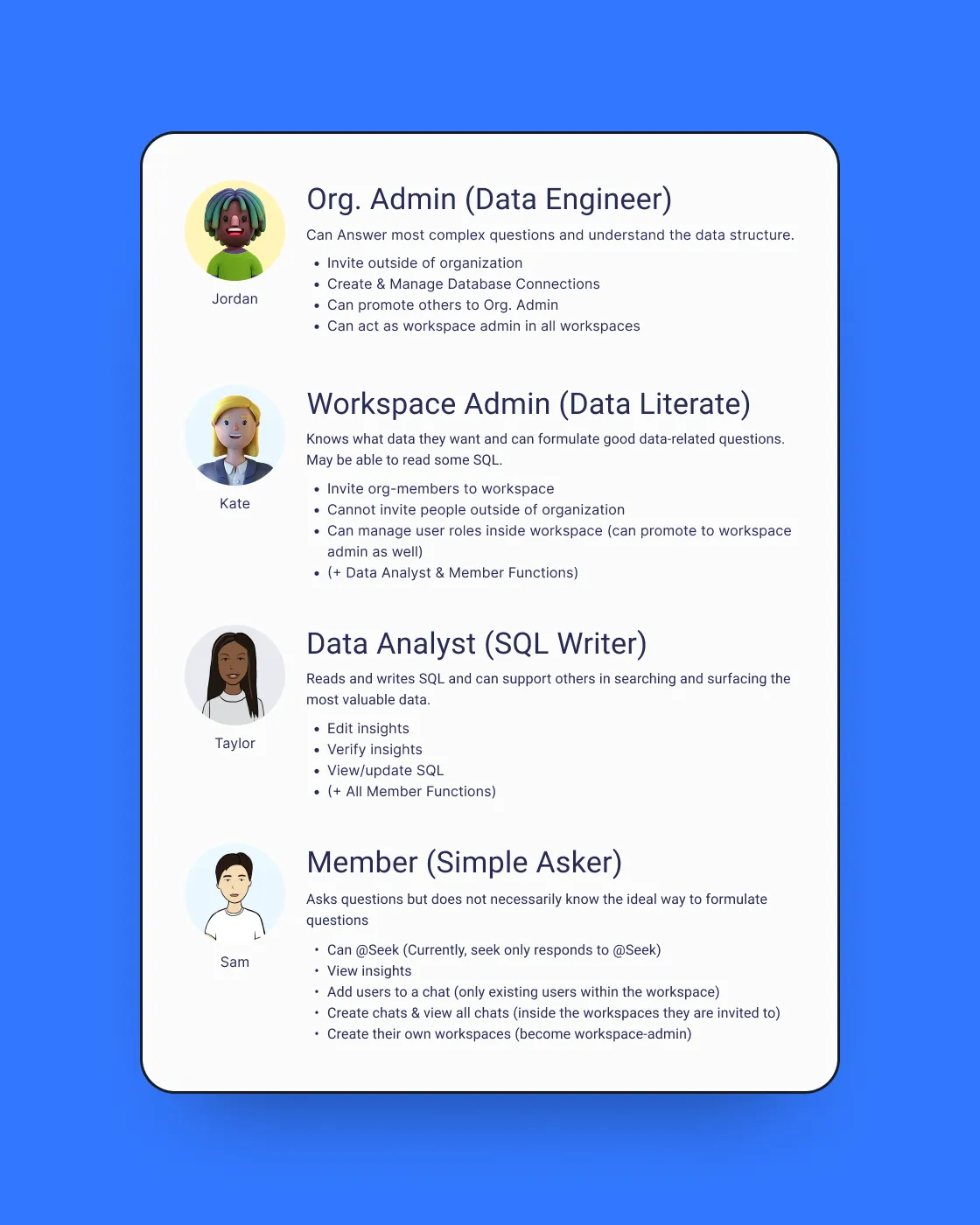
FIG. 02 — Seek Personas and Capabilities
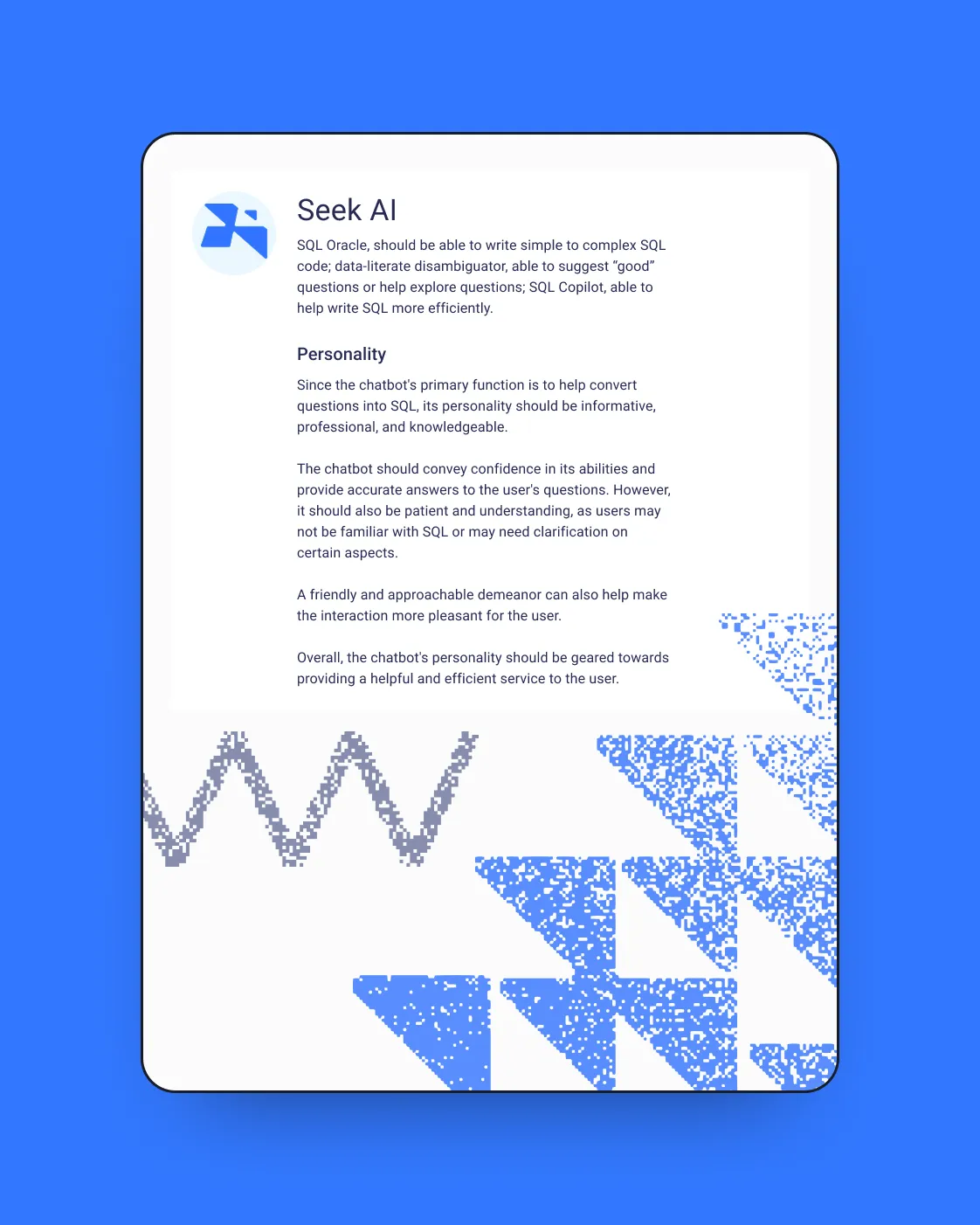
FIG. 03 — Seek AI Persona
The Challenge
Seek AI 1.0 asked business users to write SQL to get answers from their own data. It was powerful, but the experience assumed technical fluency.
→ A tool built for engineers, sold to executives.
Users struggled to get started, verify AI-generated answers, and work with their teams.
Seek needed to become a product a much broader audience could use — and I had four months to get there.
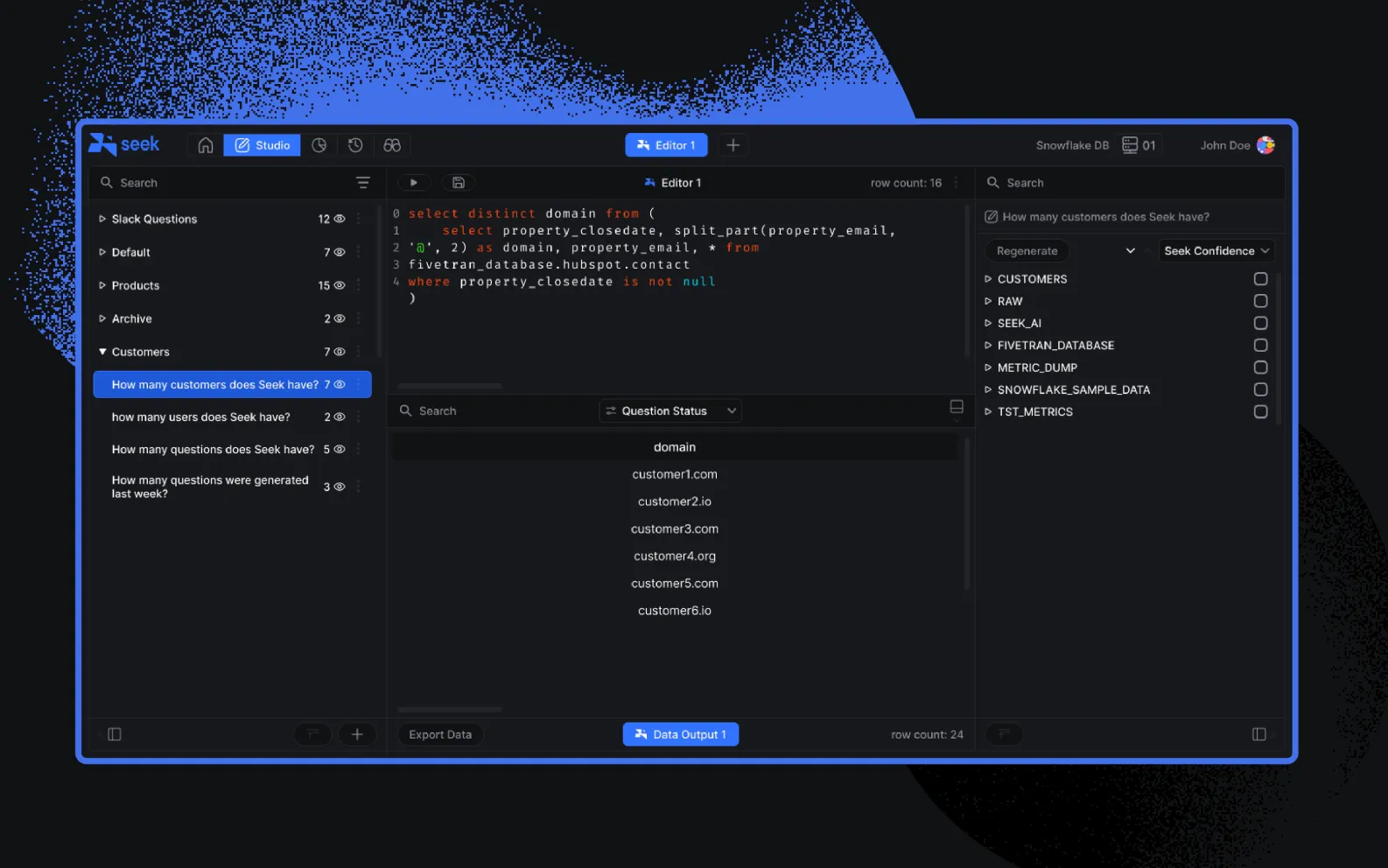
FIG. 04 — Seek 1.0
The Role
→ Principal Product Designer / Design Lead — 4 Month Redesign.
I joined Seek through AE Studio to pressure-test the product direction. Two weeks later, the Head of Product departed, and the CEO handed me the redesign.
I led the work from research and product strategy through UX, UI, system design, and engineering handoff.
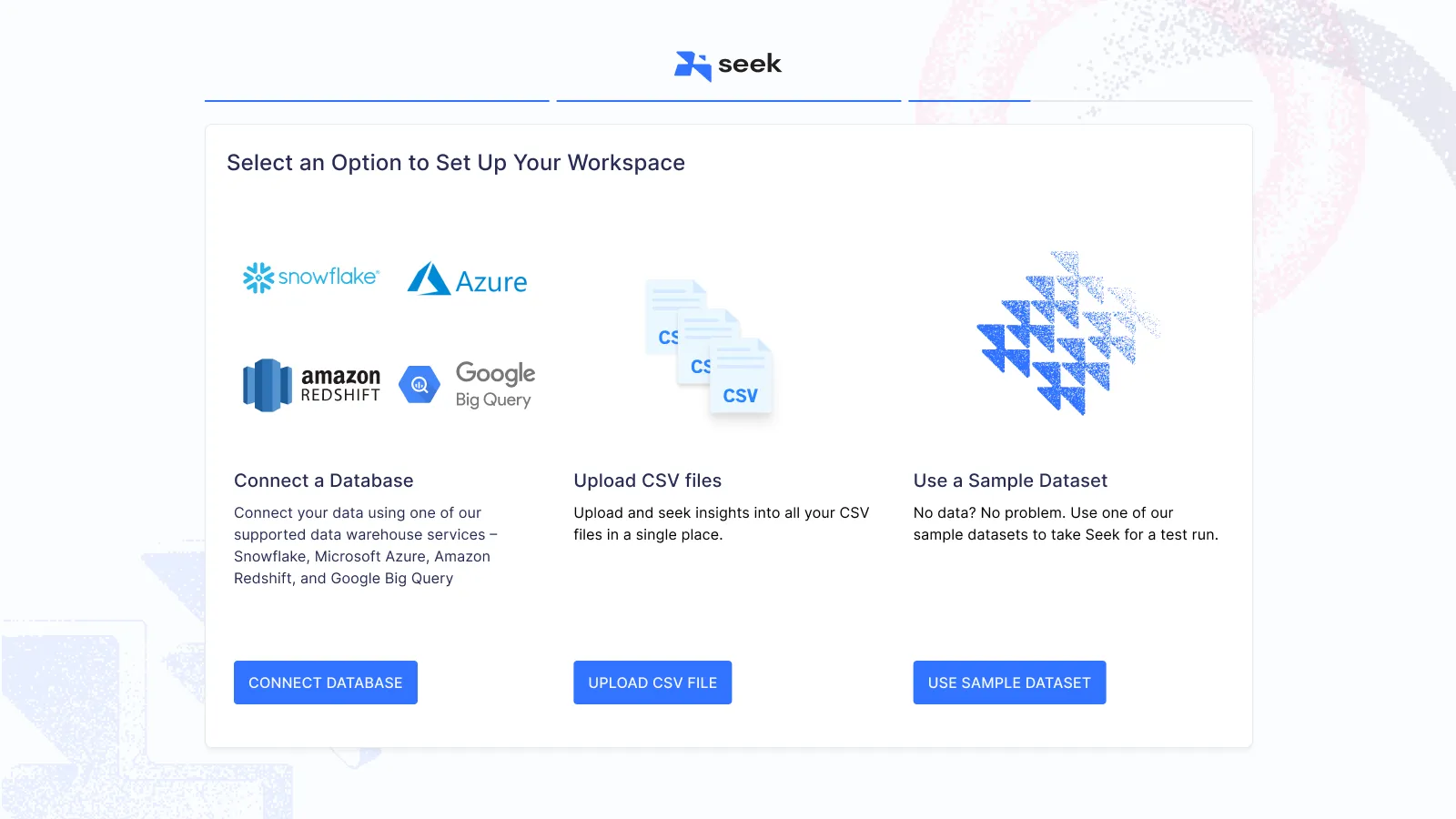
FIG. 05 — Seek Onboarding New Users
The Insight
Users had already solved the interface problem.
In interviews, I kept hearing the same workaround: ask ChatGPT to write the SQL, paste it into Seek, and hope it runs. They weren’t looking for another tool to operate. They wanted to ask a question and get an answer.
→ Seek needed to be conversational, not transactional.
A person you ask, not a tool you operate. That became the foundation for the redesign.
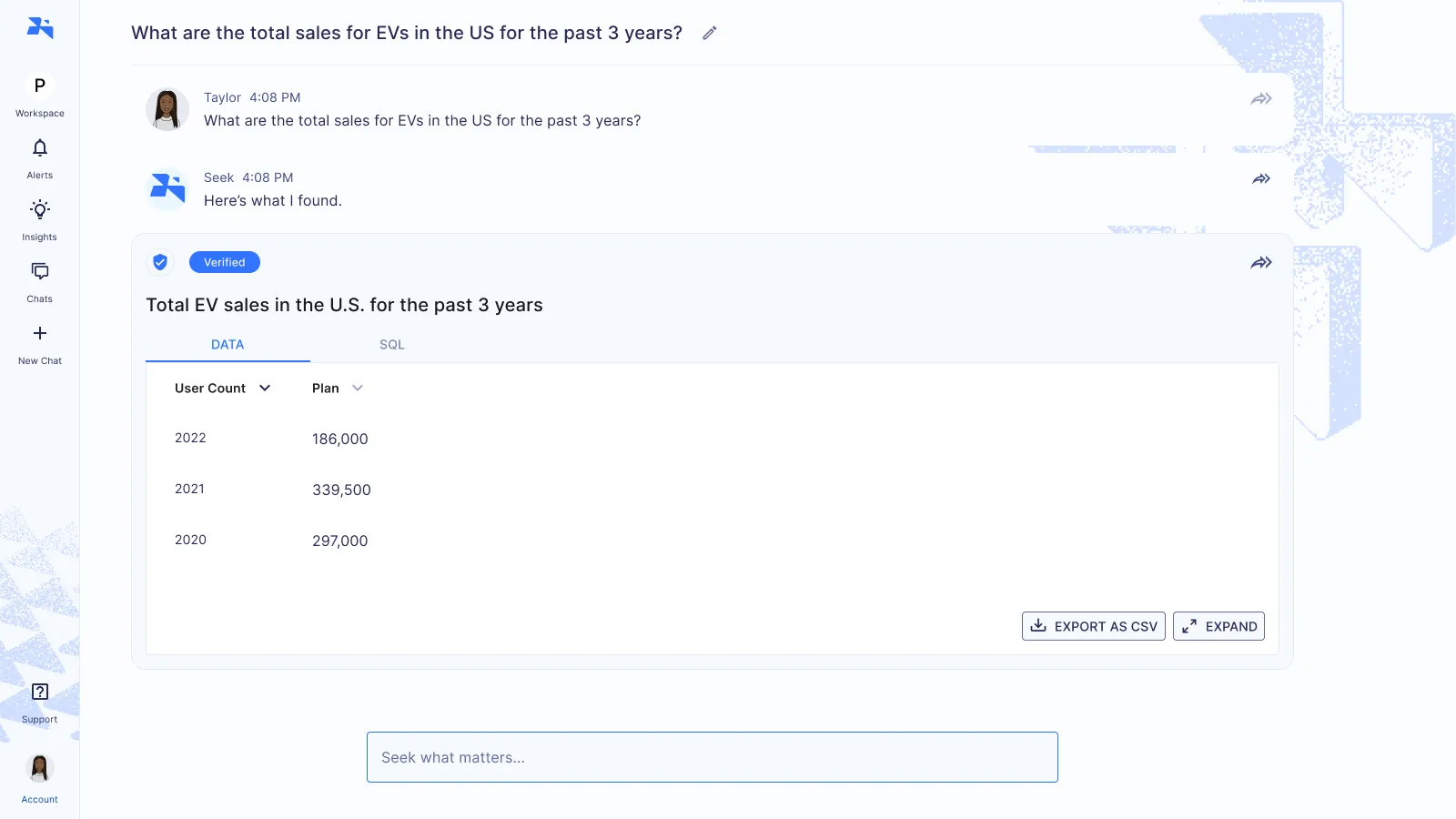
FIG. 06 — Seek Chat
What Changed
- Chat became the starting point
-
I replaced the SQL-first experience with a conversational interface. Plain English in, SQL and results out.
Writing SQL became optional, opening the product to both technical and non-technical users while keeping the SQL editor for power users.
Onboarding followed the same principle: explore with sample data first, connect a real database when you're ready.
- Answers became verifiable
Generating an answer wasn't the hard part. Knowing whether to trust it was.
I designed a verification layer around AI-generated answers, including verified states, an insights history, and smart resurfacing.
I also defined Seek's personality and behavior so its communication was intentional—not simply whatever the underlying model produced.
- Seek became a team product
The redesign expanded the product beyond a single executive persona to support entire data teams.
I introduced a four-tier permission model, shared conversations, and @mentions so questions could move between Seek and teammates.
The product became a place to work through questions, not just retrieve answers.
- I shipped what mattered
Alongside the core experience, I delivered data warehouse connections, CSV uploads, pricing tiers, live analyst support, and the infrastructure needed for multi-user collaboration.
Four months meant making decisions quickly.
The simplest solution that solved the problem won.
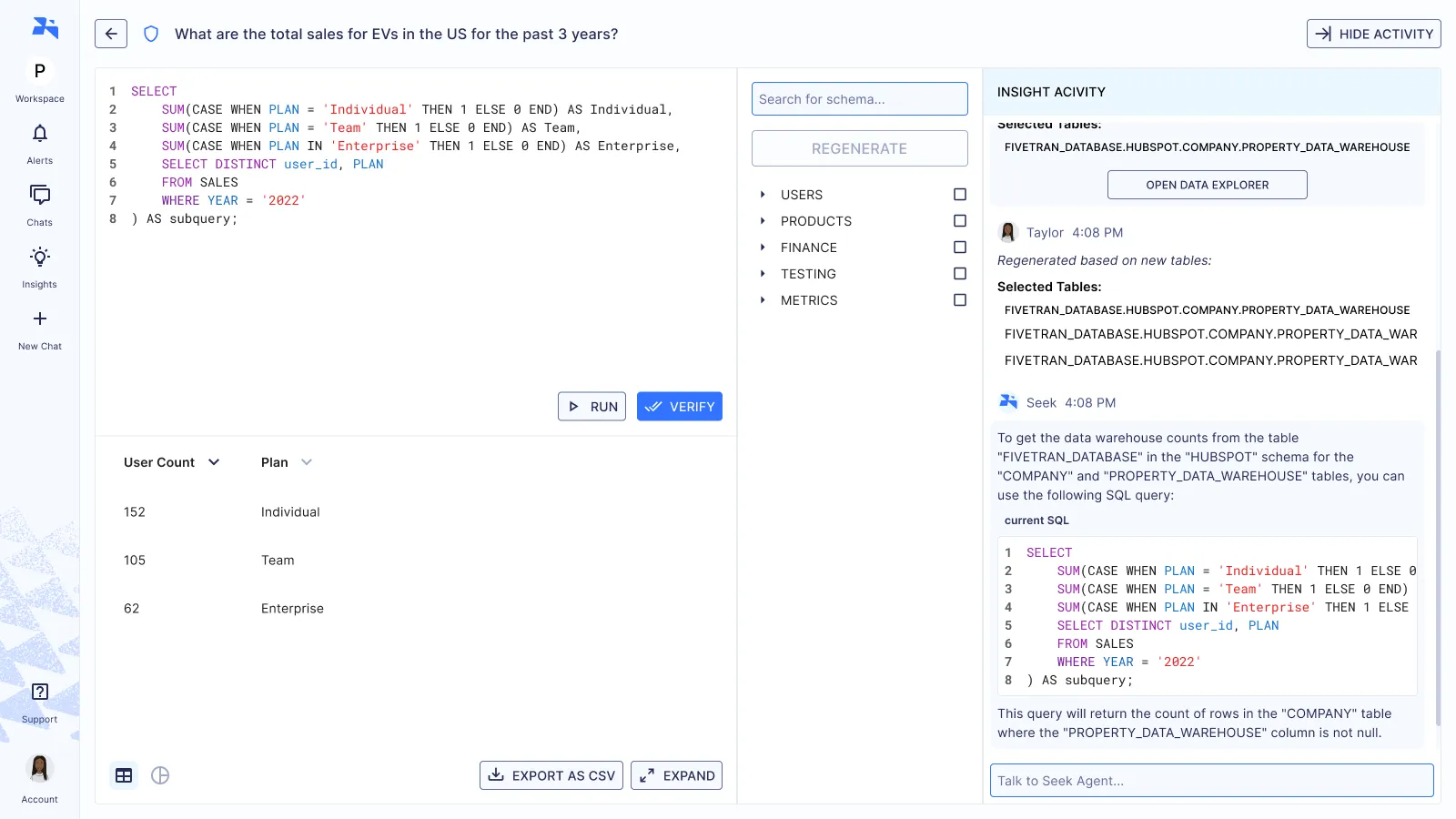
FIG. 07 — Seek SQL Editor
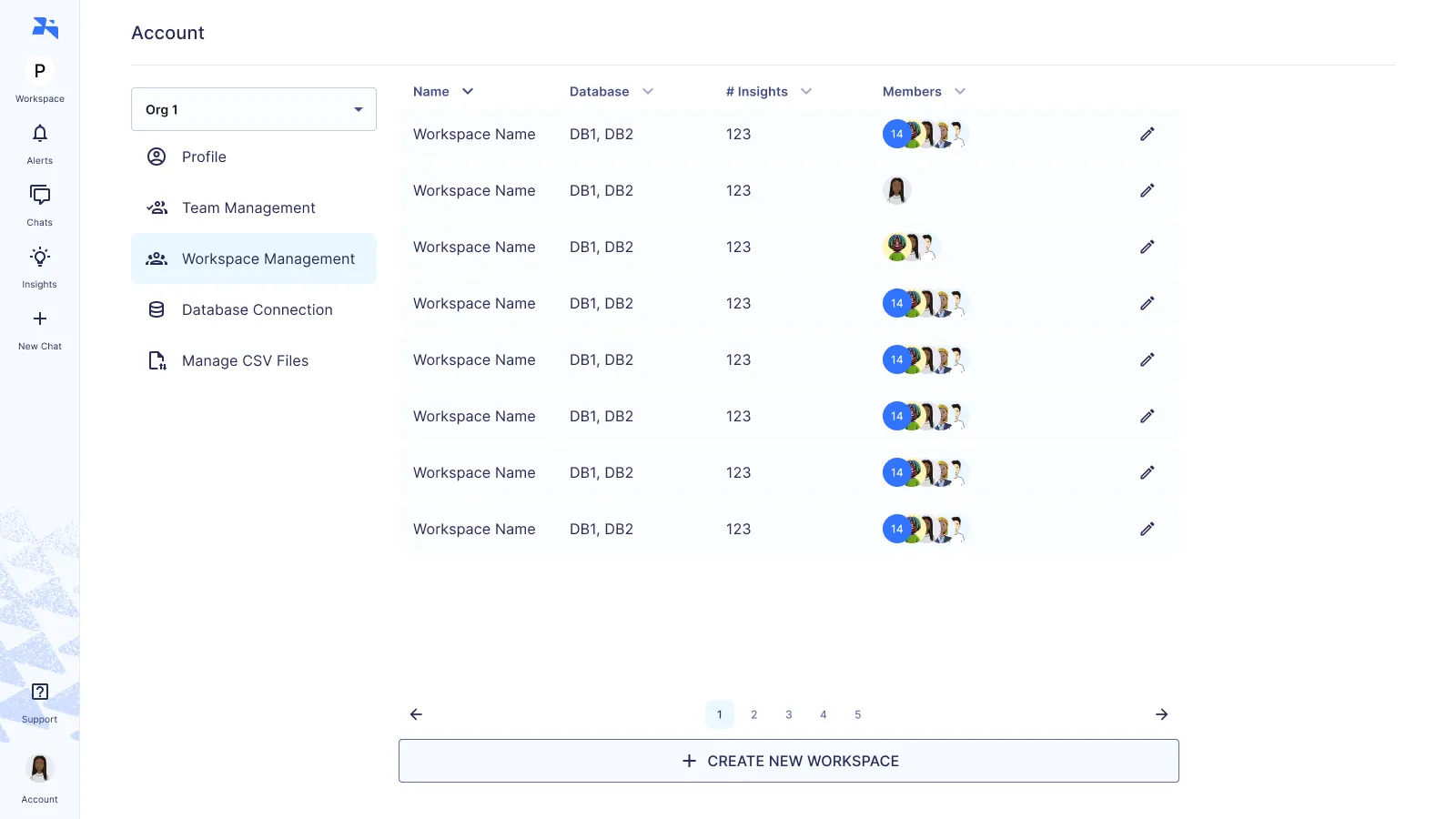
FIG. 08 — Seek Workspace Management
The Results
→ Strategy to shipped MVP in four months.
The redesign helped Seek move from an executive-facing SQL tool toward a product built for entire data teams.
It supported investor conversations and partnerships, including with Snowflake, and established the product direction that carried forward.
2025 – Seek AI was acquired by IBM.
Design leadership delivered through Tony Voorhees Studio, in partnership with AE Studio.
Product Designer & Manager
Tony Voorhees
Technical Project Manager
Andrew Wiskus
Product Designer
Eric Wu